
EEG Neurofeedback: Transforming Brain Activity for Lasting Well-Being
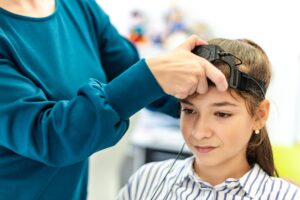 Albert Knapp & Associates is proud to offer EEG Neurofeedback, a non-invasive technique designed to help individuals learn to regulate their own brainwave patterns. By harnessing real-time feedback about brain activity, people of all ages can improve focus, reduce stress, and enhance overall well-being. This innovative therapy method is grounded in research and best practices.
What Is EEG Neurofeedback?
EEG Neurofeedback measures the electrical signals produced by the brain (known as EEG or electroencephalography) and displays this data to the individual in an interactive format—often through a video screen or game-like interface. Users receive immediate feedback whenever their brainwave patterns move closer to an optimal range. This process supports natural learning, as the brain “rewards” itself by stabilizing and reinforcing more balanced functioning.
Key Benefits of EEG Neurofeedback
- Enhanced Concentration
Many individuals report improved focus, making everyday tasks—such as studying, work assignments, or driving—more manageable and less stressful. - Reduced Stress and Anxiety
By teaching the brain to maintain calmer states, EEG Neurofeedback can help alleviate symptoms of chronic stress, anxiety, or restless thinking. - Better Sleep Quality
A balanced brainwave profile contributes to healthier sleep cycles. People often find it easier to fall asleep and stay asleep after consistent training sessions. - Greater Emotional Regulation
Neurofeedback can aid in managing mood swings and impulsive behaviors, promoting a more consistent emotional landscape. - Personalized Progress
Because this therapy targets each individual’s unique brainwave patterns, training sessions can be adjusted for maximum effectiveness.
How EEG Neurofeedback Works
- Initial Assessment
Each client begins with an evaluation of current symptoms, stressors, and goals. This helps determine how EEG Neurofeedback can be most beneficial. - Sensor Placement
Non-invasive sensors are placed on the scalp to record real-time brainwave activity. There is no pain, and the sensors simply monitor electrical signals. - Interactive Training
Clients engage with software that translates brainwave data into visual or audio feedback. As the brain recognizes its successful shifts toward balanced states, it repeats those patterns over time. - Ongoing Adaptation
Therapists at Albert Knapp & Associates regularly review session data, adjusting the difficulty and focus areas to match the individual’s evolving progress. - Results and Maintenance
While many people notice improvements within a few sessions, long-term gains typically require consistent practice. Maintenance sessions help reinforce newly learned brainwave patterns.
Who Can Benefit from Neurofeedback?
EEG Neurofeedback may be helpful for a wide range of concerns, such as ADHD, anxiety, depression, PTSD, migraines, or general stress. It can also be beneficial for those seeking peak performance in academic, athletic, or professional domains. Because the therapy targets the neurological roots of various conditions, it can complement other treatments, including talk therapy or medication.
The Albert Knapp & Associates Difference

Brianna Young
License # LMFT 125597
At AKA, we tailor EEG Neurofeedback to each client’s unique needs and goals. Our therapists work closely with you to establish realistic expectations and maintain a supportive environment throughout the process. We integrate Neurofeedback into a broader care plan whenever necessary, ensuring that each aspect of mental health is addressed holistically.
Our team also values education and collaboration. We’re here to answer questions, explain the science behind Neurofeedback, and provide the tools you need for continued growth at home or in your daily routine.
Ready to Explore Neurofeedback?
EEG Neurofeedback offers a powerful avenue for developing greater self-awareness, mental clarity, and emotional balance. If you’re curious about how this cutting-edge method could support your personal or familial goals, contact Albert Knapp & Associates today. We’d be happy to walk you through the process, address any concerns, and design a Neurofeedback program tailored to your unique needs.
Contact Us

